 Did you know that the female Japanese volleyball team won the gold medal at the first Tokyo Olympics in 1964? The final match with the Soviet Union team, which was ranked No.1 in the world at that time, was broadcasted by NHK on TV and had a viewing rate of 66.8%, which is still the record in relay sports in Japan. The Japanese team, with an average height of just 171 cm while that of the Soviet team was 183 cm, overwhelmed all the other nations’ teams with incredibly new tactics such as “the rolling dive receive” and “the floating change-up service”, and they were called Oriental Witches by Americans and Europeans at that time.
The head coach of the team was Hirobumi Daimatsu. The national team of Japan was actually a private company, Nichibo’s, team and he was also an employee of the company. He showed quite strong leadership skills with the players of the team and forced them to train extremely hard. All the players worked in Nichibo’s office from 9 to 4, and then they started training every day, usually until 12 o’clock or sometimes until 2 to 3. His nickname at the time was Daimatsu, the Devil, and he was harshly criticized by many people, including the labor union of the company, as he was bullying the players. The players, however, did not complain about his training and followed him and even called him a master. Mr. Daimatsu was a survivor of the alleged worst operation during World War II, the Imphal operation that killed more than 50,000 Japanese soldiers through battles and starvation in Myanmar. His belief from this harsh experience was that victory is everything, and his team recorded 175 successive victories both in domestic and international matches. Nobody condemned him any more after such tremendous results.
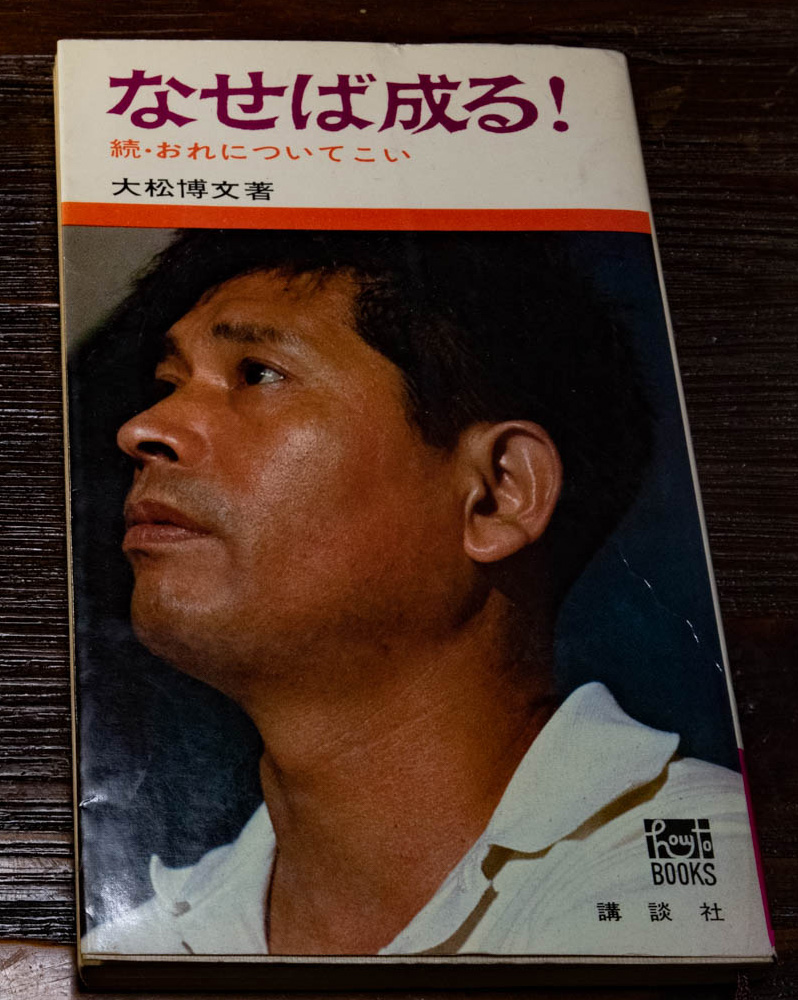 Not only did he force ultra-hard training on the players, but he really thought rationally about how his team could defeat the Soviet Union team in the face of more than a 10 cm difference in height. He invented “the rolling dive receive” in order to receive all attacks by the Soviet team, by jumping to a ball and soon standing up by rotating the body in order not to interfere with other players and come back to the attack immediately. He also developed many new serves since the height of a player is almost irrelevant in serves. While a normal straight serve was popular at that time, his team developed many breaking ball serves, including no-rotation serve that almost nullified the receivers of the opponent team.
Mr. Daimatsu is now enshrined in the hall of fame of the Word Volleyball: https://www.volleyhall.org/specialawards/hirofumi-daimatsu. Nobody can follow his style at present, but he was actually a tremendously strong leader and encouraged many Japanese people 19 years after the ceasefire of World War II.


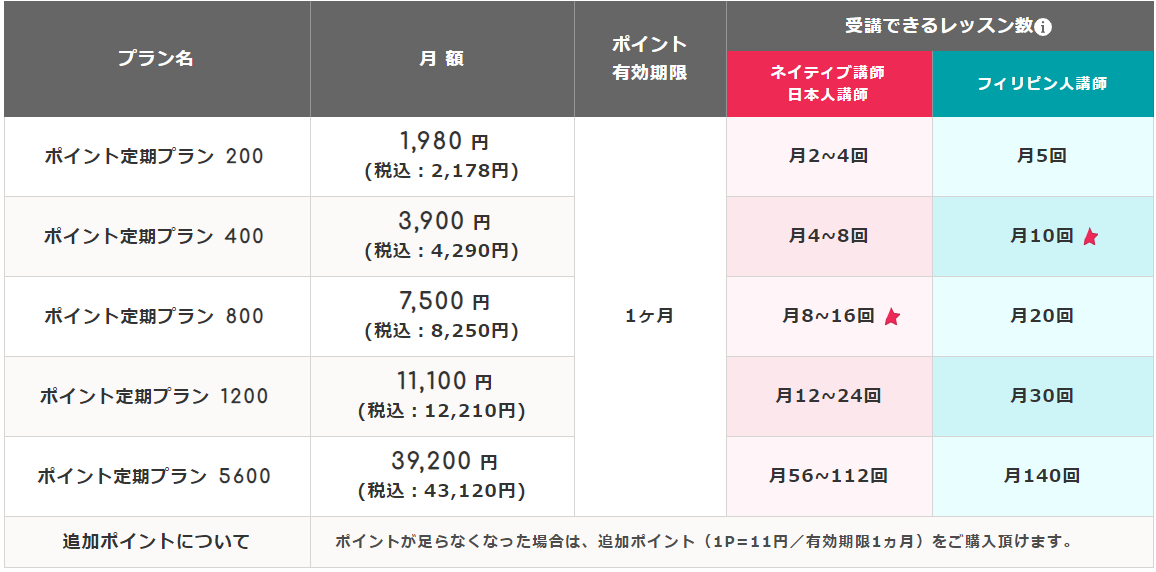
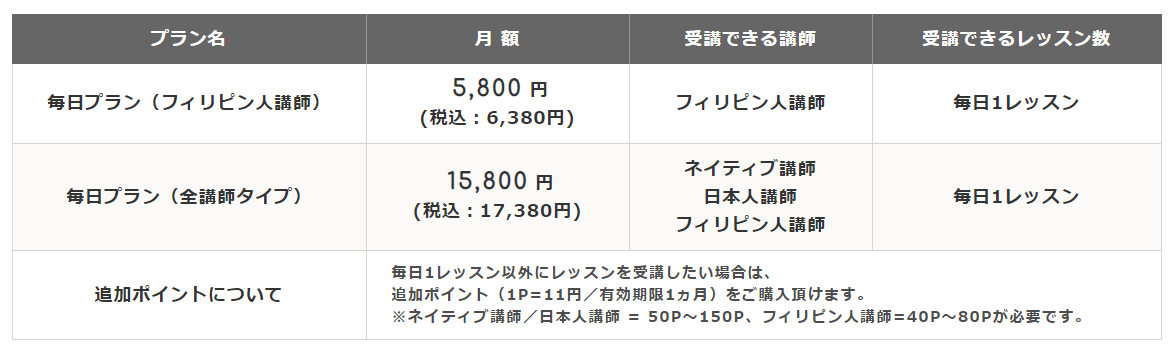
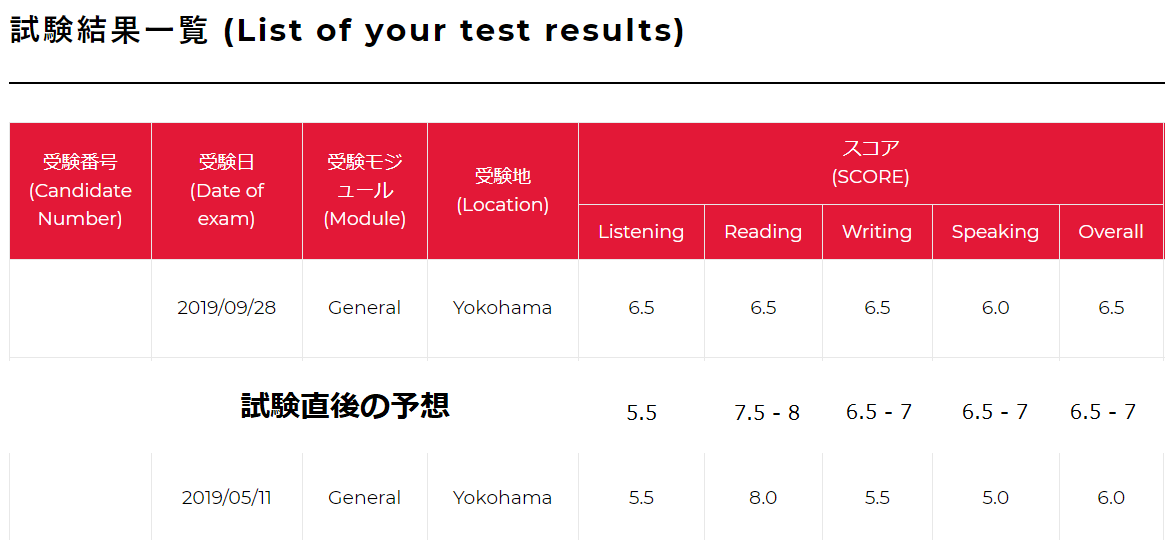
 本日で、オンライン英会話のMyTutorのレッスンが終了しました。最初に50回分のレッスンのポイントを確か29,800円で買って、それの有効期間が今日までだったものです。実際のレッスン数は48回でした。このオンライン英会話は全員フィリピンの人で、女性が8割、男性が2割くらい、全部で30名くらいで、全員が他のサービスでよくあるような委託契約ではなく正社員だそうです。そのせいか、他のオンライン英会話のフィリピン人講師に比べると、英語をある程度専門として来た人が多くレベルは高いです。その代り、1回のレッスン料は600円弱になりますので、他のフィリピン人講師によるオンライン英会話より高いです。
 今日のEigoxのディスカッションのお題は「
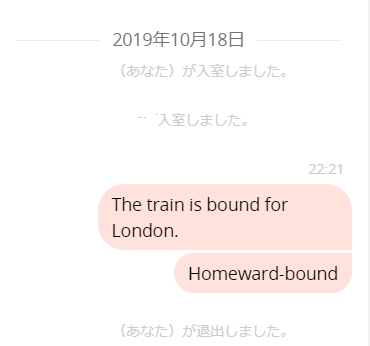 現在、オンライン英会話はEigoxを週3回、それからMyTutorというのを週2回やっています。MyTutorはIELTSのスピーキングの練習でやっていて、後10回くらいで終わりです。そうしたら、Eigoxを毎日1回出来るコースに変えようかと思っていました。そうしている内に、私の勤めている会社がDMMの非ネイティブコースの月の料金の8割を補助するというのを始めました。個人負担は1250円~1450円/月くらいです。これは非常にお得なので、10月からDMMを現時点では週に1回やっています。DMMの非ネイティブコースの先生はフィリピン人か、後はほとんどはセルビアの人です。それでセルビアの女性講師と今日が3回目のレッスンでした。これまでのオンライン英会話の先生から、時々前置詞の使い方を間違えているという指摘をもらったので、前置詞の使い方のレッスンを受けています。それで今日が”to”と”for”だったのですが、to Londonはロンドンに行くけど最終目的地ではない、for Londonはロンドンが最終目的地という説明がテキストにありました。それでThis train is bound for London.という文を言ったら、恐るべき事にこのセルビアの女性講師は「そんな表現は聞いたことがない、欧州では使わない」と言いました。更にサイモン&ガーファンクルの名曲の”Homeward- bound”(早く家に帰りたい)を例に挙げたら、何とこの用法も知りませんでした。”bound for”で目的地を表すのは列車に乗ればかなり頻繁に出てきますし、これが地域限定の表現という話も聞いたことがありません。念のためOEDを調べたら、シェイクスピアのハムレットにも登場します。発音がきれいなんで騙されていましたが、この先生も英語を人に教える前に習うべきなのではないでしょうか。S&Gを知らないのは、まだ20代だから仕方がないのかもしれませんが。ともかくこの先生とのレッスンは今回で終わりにして、来週からは別のセルビア人の先生を試してみます。もし他のセルビア人講師も大同小異なら、いくら会社が補助してくれても、DMMは止めます。念のため、この先生の生徒による評価は5点満点で4.93と非常に高いです。おそらく決まった教科書を使って教える分にはボロが出ないんでしょう。