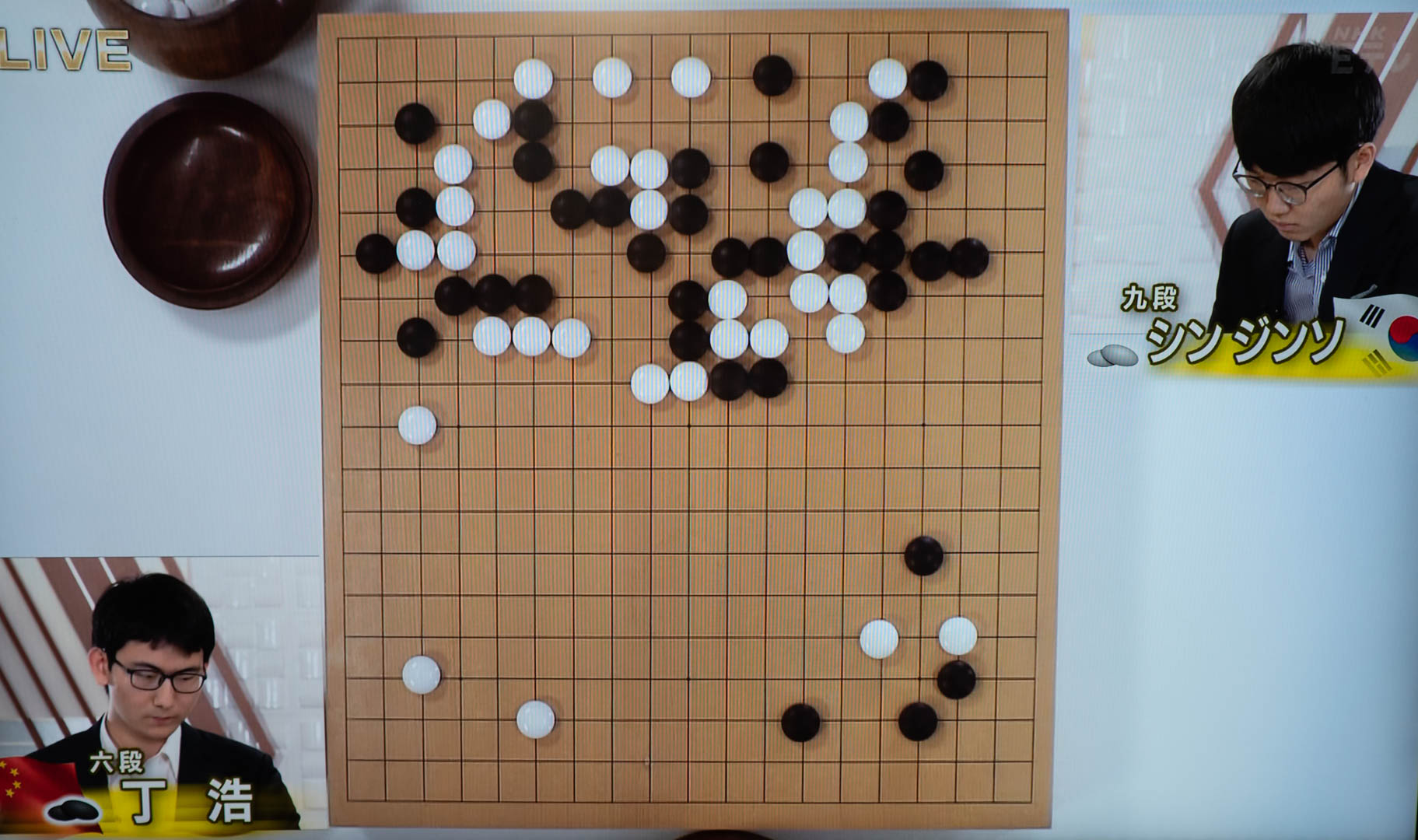
 本日のNHK杯戦囲碁は、TV囲碁アジア選手権のためお休み。そのTV囲碁アジア選手権決勝戦です。残念ながら日本の井山裕太四冠王と一力遼8段は一回戦でそれぞれ敗退しました。決勝戦は中国の丁浩6段と韓国のシンジンソ9段の対戦になりました。
ともかくねじりあいに次ぐねじりあいの難解な碁で、正直な所私の棋力ではついていくのが大変でした。右辺の戦いで黒が中央を厚くし、それによって白の中央の7子を取り込んだ時は黒が優勢かと思いました。しかし、白は中央への利きを利用して下辺から左下隅を目一杯囲いました。黒は白模様に突入し、そこでまた攻め合い含みの難解な戦いになりましたが、結局双方が活き活きの形で収束しました。その形は白の利益の方が優りました。そこからヨセに入りましたが、盤面ギリギリくらいの形勢で差は縮まらず、最後は黒の投了となりました。国際棋戦でのトップクラスの碁はこのような本当に激しい戦いの碁が多いように思います。日本だと井山四冠王が形勢がいい時でも目一杯の手を打つので有名ですが、国際棋戦だとそちらの方がむしろ普通です。
カンガルー革の革砥、ようやく到着
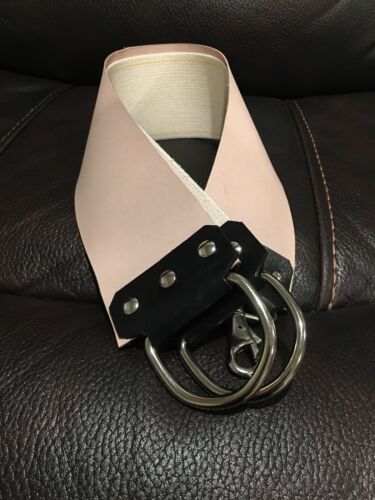
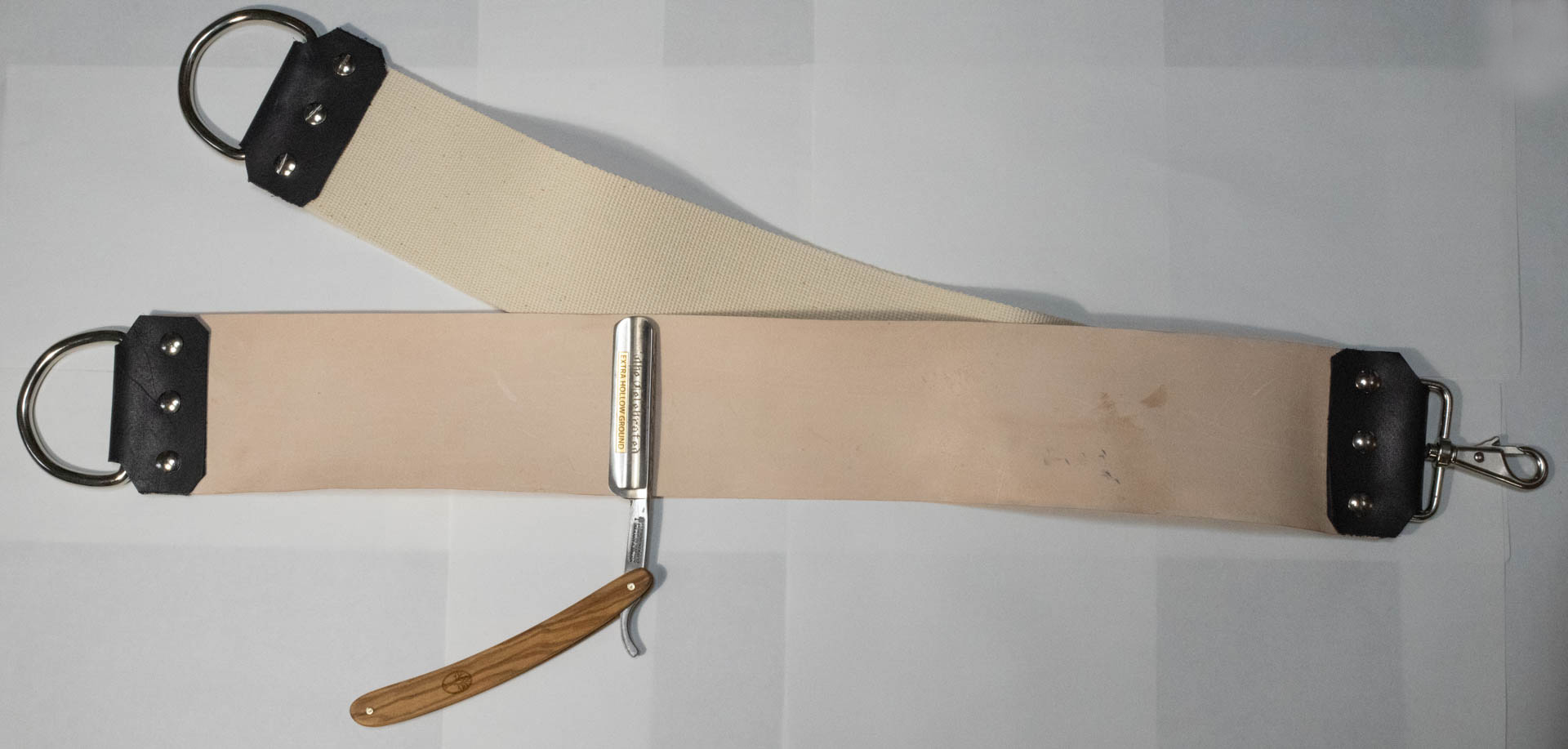 アメリカから送ってきて、日本で通関するのに1ヵ月近くかかったカンガルー革の革砥、ようやく到着。ちなみにこの製品は「赤カンガルー」(学名:Macropus Rufus)の革です。輸出する時には、この学名をインボイスに書かないと、私のようにワシントン条約にひっかかるかどうかの確認で止まってしまうことになります。製造業者によると、業者はちゃんとインボイスに記載したらしいのですが、発送を受け持ったeBayがその情報を落としてしまい、なおかつFedexからの問い合わせに対しても回答無しでした。もし、私と同じようにeBayその他でカンガルー革の製品を買われる方はお気をつけください。
届いた時に、固定用金具に近い方に数ヶ所黒い油しみのようなものがありました。アルコールティッシュで拭いたけど取れませんでした。この辺り、日本と違って適当です。
革砥としてはこれまで買った(人工皮革ではない)革砥の中で一番薄く、それでいて引っ張っても切れたりせず十分な強度があります。なるほど、サッカーシューズなどに使われるというのは良く分かります。表面は何らかの加工はしてあって、スムースさは十分ですが、コードバンに比べると若干ですが細かい皺みたいなものがある感じです。コードバンを角砥石の#10000としたら、# 7000くらいの感じでしょうか。ただ、革砥として剃刀を滑らせて特に問題となるような粗さでは決してありませんし、フルハローの剃刀でストロッピングした場合には、吸い付くような感じもあります。傷がつきやすい、という情報もありますが、どのみち間違えて剃刀の刃を革砥に立ててしまったらどんな革でも傷が付きますのでそれは大きな欠点ではないように思います。
総じて、牛革の普通の革砥より若干高級感があるかな、という感じです。まあ供給量も少なくて価格も9,155円(送料含まず)でかなり高いので、よっぽど興味があるとかでない限りはわざわざカンガルー革にこだわる理由はないように思います。なお、キャンバス地の布砥付き。
テレビジョンエイジ 1975年8月号
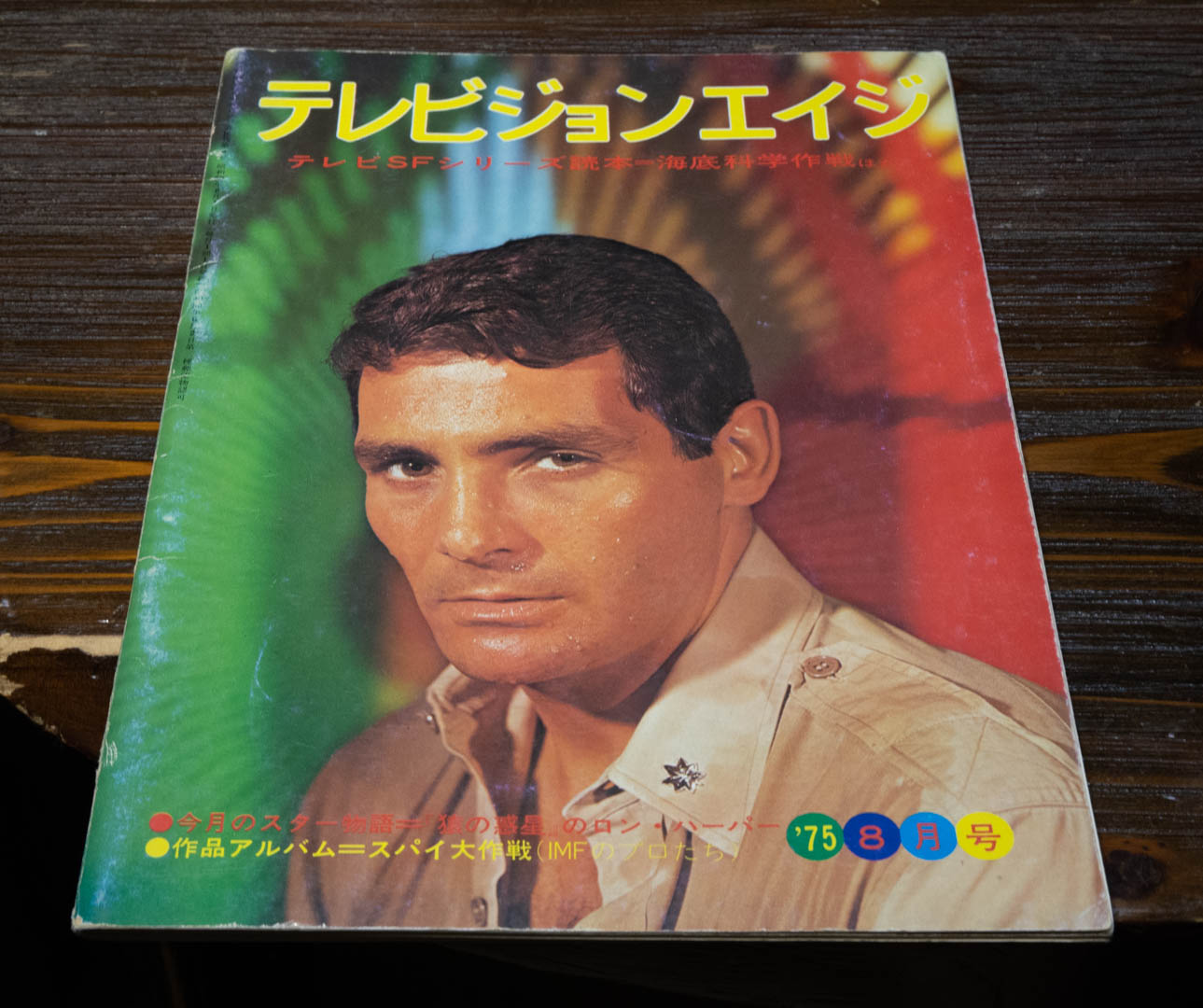 「原子力潜水艦シービュー号」の資料としてヤフオクで落とした1975年の雑誌。そっちの情報は大したことなかったですが、1960年代のアメリカではSFドラマだけではなく、妖怪・怪物・魔女ドラマも全盛だったことを知りました。もちろん「奥様は魔女」は知っていましたがが。(ちなみに「魔法使いサリー」は「奥様は魔女」の影響で生まれています。)
例えば、
マンスターズ
https://youtu.be/vgmiBjJFOSA
アダムスのお化け一家
https://www.nicovideo.jp/watch/sm32593891
水木しげるの作品はオリジナルでしょうが、日本の他の怪物ものは海外の影響が強いのだと思います。
スタージョンの「原子力潜水艦シービュー号」
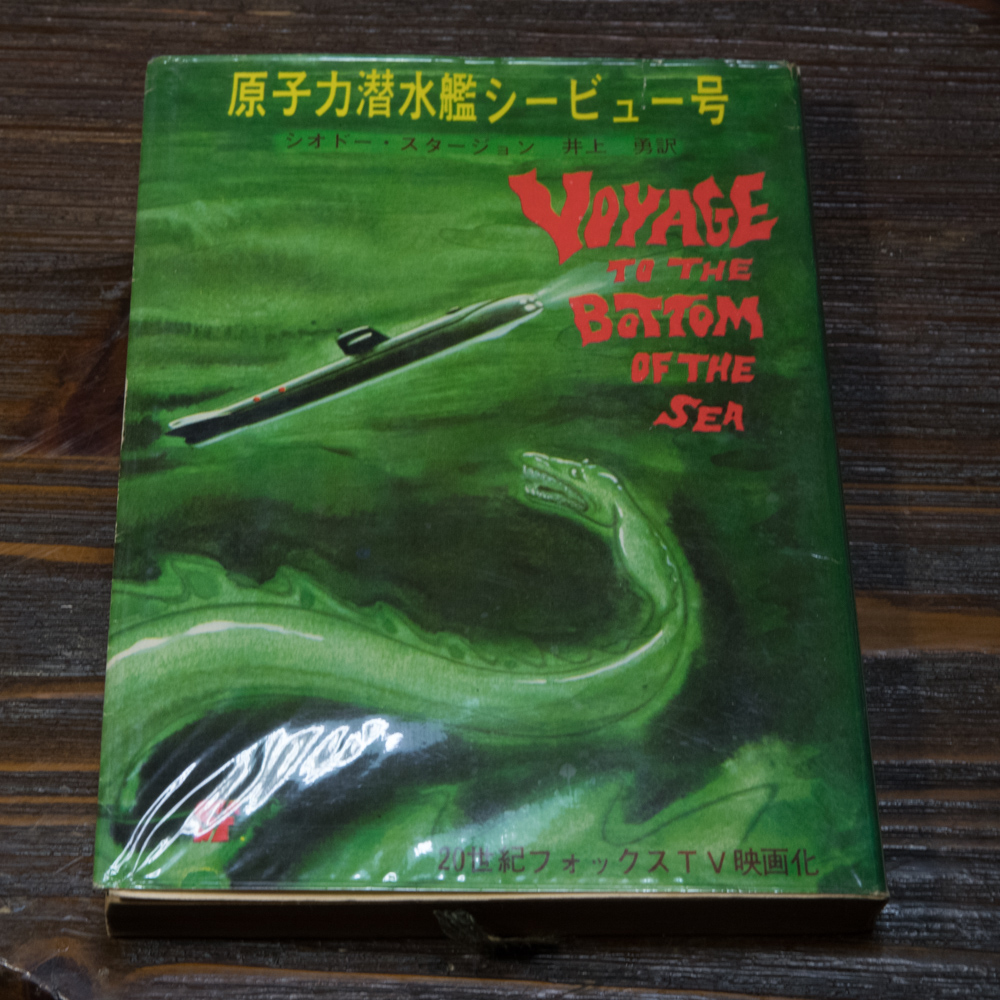 ここ2週間くらいで、Wikipediaの「原子力潜水艦シービュー号」の項を大幅に書き直した関係で、以前買ったスタージョンのこのノベライズ版も一応読んどかないと無責任かな、と思って読みました。結果、何というか非常につまらなかったです。スタージョンも何でこんな仕事を受けたのかは不明ですが、ほぼやっつけ仕事と言われても仕方がない出来でした。これは映画版のノベライズ版で、あの映画は色々ごちゃごちゃと詰め込みすぎで出来は良くありませんが、この小説に比べればまだマシと言わざるを得ません。ちょっとだけ面白いのが、テレビ版では副長のチップ・モートンは沈着冷静な副官で良くネルソン提督とクレーン艦長をサポートしていますが、この小説ではクレーン艦長と兵学校で同期だったけど、クレーンがいつも1番でモートンが2番目だったという設定になっています。それでモートンはいつも一言多い、頭の回転があまり速くない人物としてして描かれています。ヴァン・アレン帯の火災(?)を核ミサイルで吹っ飛ばすのに、色んな邪魔が入る展開も、このノベライズ版は何か淡々と描写されていてあまり緊迫感がありません。★★。
カンガルー革の革砥、近日中に入手予定
 ebayで5月14日にカンガルー革の革砥を注文。これが5月24日頃日本について、Fedexから電話があり、「これがワシントン条約で規制されているものかどうか」という質問がありました。そんなの分からないから発送主に聞け、と回答したら結局昨日まで何の音沙汰もなし。昨日電話したら、送り主に問い合わせているけど回答が来ないのでそのまま待っているとのこと。すぐにebayのシステムで売主に問い合わせ、その業者がカンガルー革を買った時のインボイス(正式な学名入り)を入手。すぐにそれをFedexに転送して、通関はOKになりました。その売主によると、発送はeBayがやっており、良くこのようなトラブルがあるそうです。FedexもFedexで2週間以上回答が無ければこちらに連絡すべきだと思うんですけど。
ちなみにカンガルー革は日本ではあまり知られていませんが、軽くて丈夫な高級な革で、サッカーシューズなどに多く使われています。ちなみに使われているカンガルーは赤カンガルーでもっともポピュラーな種類で、絶滅危惧どころかオーストラリアでは増えすぎて、食用にしたりすることが推奨されています。
原子力潜水艦シービュー号の”Savage Jungle”
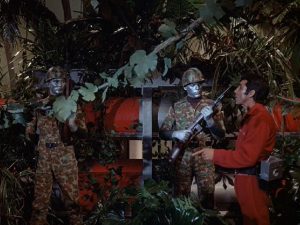 原子力潜水艦シービュー号の”Savage Jungle”を観ました。Welch脚本じゃないのが幸いして(?)、ろくでもない話ばかりの第4シーズンの中ではかなりまともで楽しめました。高温多湿の星に住むエイリアンが、イタリア南部をジャングルに変えます。その調査に乗り込んできたシービュー号にはキーラーという新しいクルーがいますが、そいつがエイリアンでした。(新入り=悪者、というこのシリーズで使い古されたパターン)そのキーラーがシービュー号の空気コントロール室に侵入し、酸素濃度を下げ二酸化炭素濃度を上げて、クルー全員を殺そうとしますが、潜水艦なので各部屋に非常用酸素が備え付けてあり、この作戦はあっさり失敗します。キーラーは今度はエアダクトに「ジャングルの元」みたいなのを投げ込んで、それはたちまち繁殖し、シービュー号の中がジャングル化します。この風景がちょっと面白いです。後、キーラーはウルトラセブンのカプセル怪獣みたいに、ミニチュア化した兵士を3人小箱の中に持っていて、その3人を使ってシービュー号を乗っ取ろうとします。キーラーはミサイルでジャングルの元を世界各地にばらまこうとしますが、間一髪でクレーン艦長がミサイルをバックファイアさせて止めます。(ミサイルがシービュー号の艦内で爆発して、シービュー号が無事なのがとても変ですが。)最後はいつものパターンでネルソン提督が急遽作り上げたガンマ線発射装置でジャングルの植物を爆破して、めでたし、という話でした。
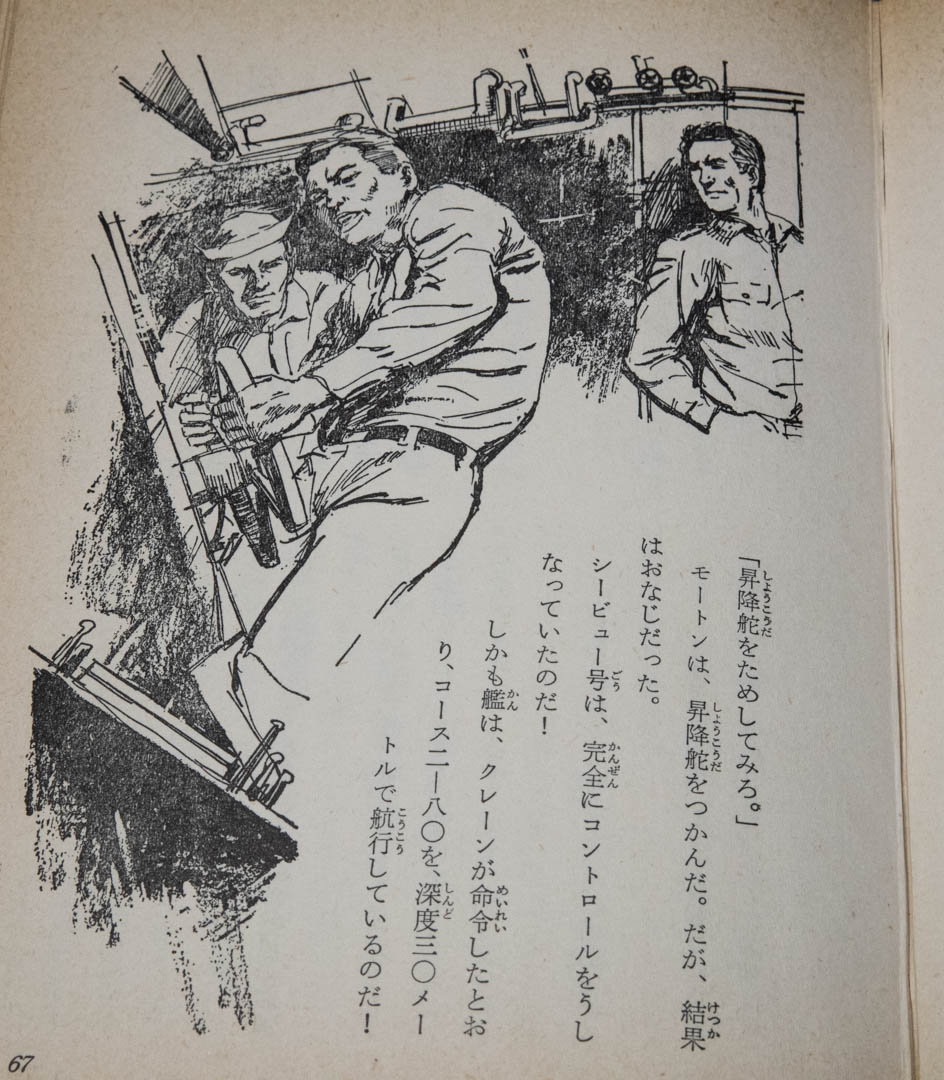
シオドア・スタージョンの「深海の宇宙怪獣」(原子力潜水艦シービュー号のもう一つのノベライズ版)
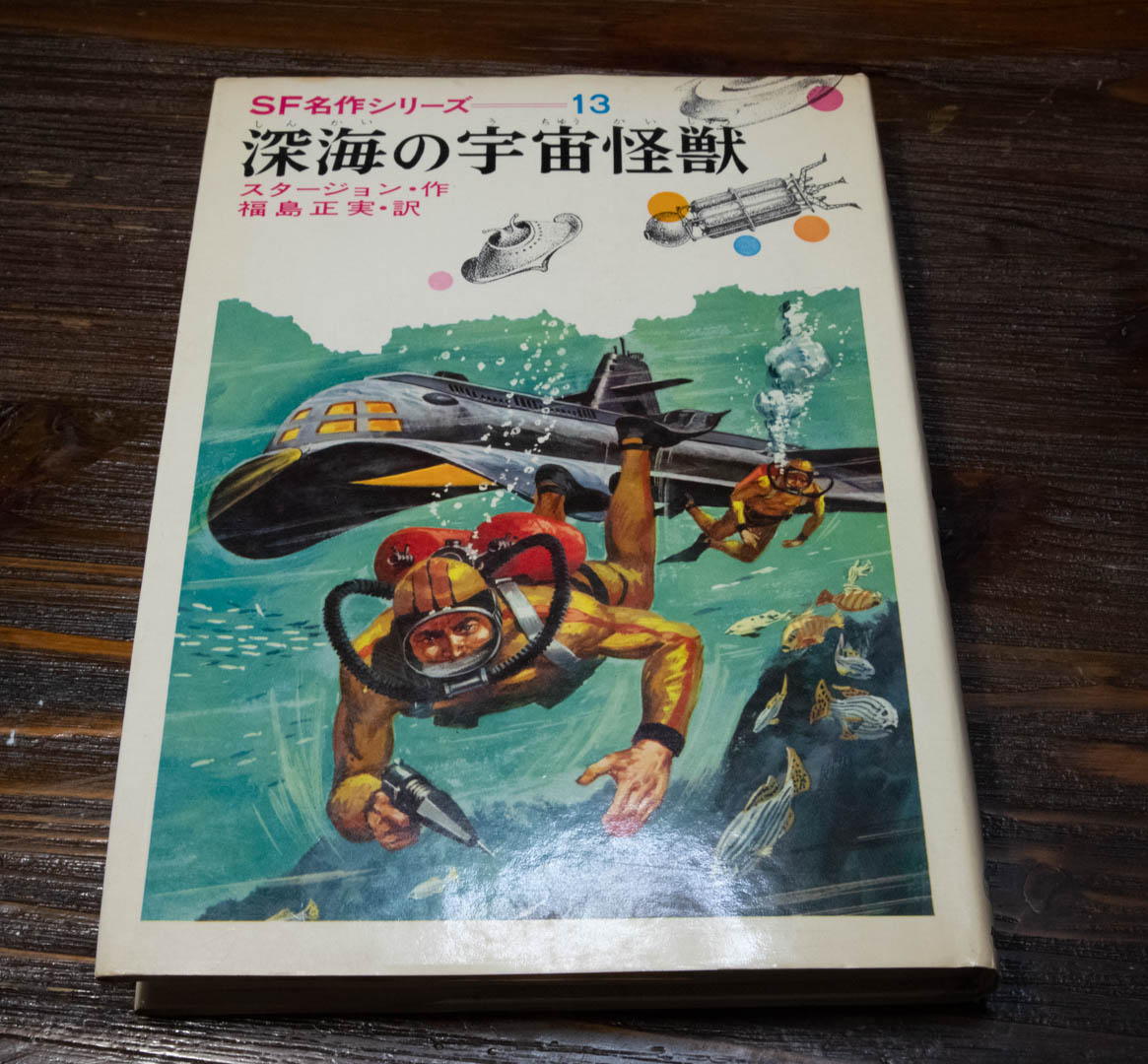 「原子力潜水艦シービュー号」のもう一つのノベライゼーションである「深海の宇宙怪獣」を読了しました。作者はシオドア・スタージョンで、日本語訳が福島正実です。偕成社から出ていたSF名作シリーズ全28巻の13番目です。このシリーズはバローズが3作、ウェルズが2作、そして宇宙家族ロビンソンのノベライズ版もあり、比較的分かりやすいSFを集めているように思います。子供の時家にこのシリーズの「超能力作戦」がありました。
読んでみるとこのノベライズ版はTV版の第2シーズンの第4エピソードと第3シーズンの第1エピソードの話ほぼそのままです。(宇宙からやってきた巨大な脳が科学者やクレーン艦長を操ってシービュー号の乗っ取りを企む話と、あるマッドサイエンティストがネルソン提督にそっくりなサイボーグを作ってシービュー号に送り込み、世界を自分のものにしようとする話)確かにこの2つの話はシリーズ全体の中では良く出来た方の話なのでこれを選んだのはまあいいとして、スタージョンほどの作家が書いているにもかかわらず、ストーリーはほぼTV版のままです。にも関わらずどこにも元の脚本家の著作権表示がありません。本の中にはK. Yanoという人が著作権の交渉をしたようなことが書いてありますが、これは翻訳家兼著作権エージェントであった、故矢野浩三郎氏のことだと思います。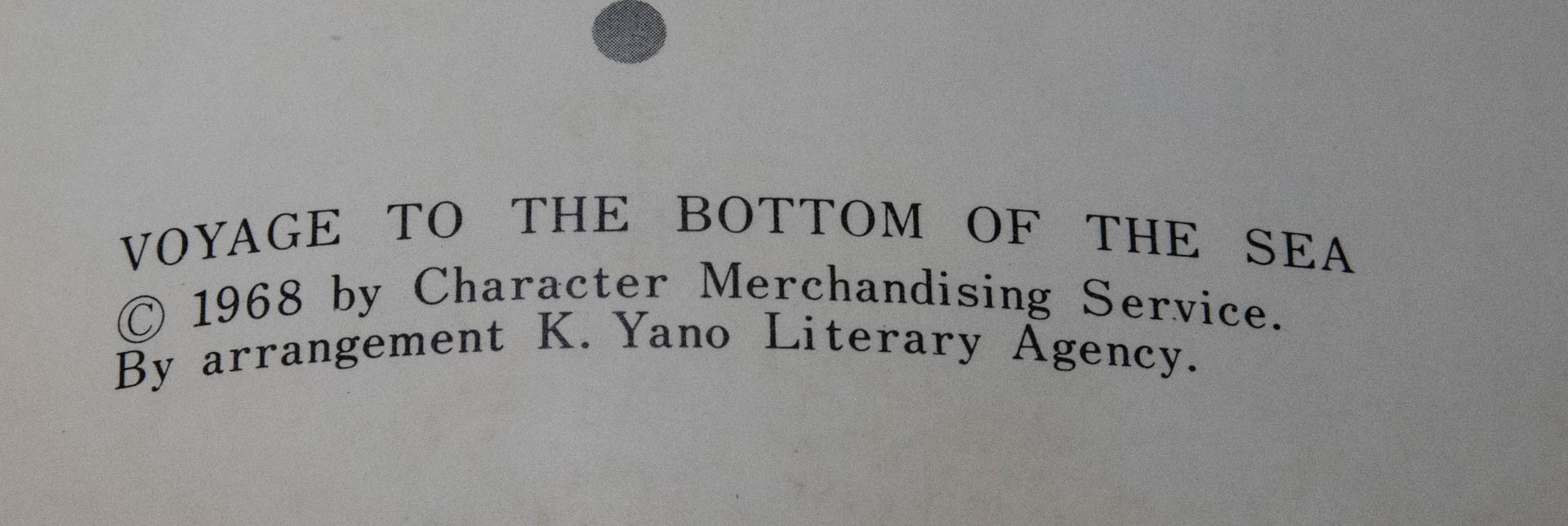
実はこのノベライズ版はご本家のスタージョンのビブリオグラフィーを見ると、日本語版だけしか出版されていないようでかなり奇妙です。もしかするとスタージョンの名前だけ借りて、実際は福島正実氏が書いたのではないかと勘ぐりたくなります。(この福島氏の翻訳?もちょっと変で、チーフ・シャーキーが「ようがす」といった太鼓持ちみたいなセリフを吐いています。)しかし、チップ・モートンのキャラクターは、スタージョンの映画版ノベライズのそれに近く(TVではモートンは沈着冷静な副官ですが、スタージョンの小説では一言多い、頭の回転が悪い人間に書かれています)、そういう意味ではやはりスタージョンが書いたのかなとも思います。ただ、映画のノベライズではかなりスタージョンの独自色が出ていましたが、こちらはほとんど脚本のままで、違うのは2つのエピソードをつなぐため、ネルソン提督がノーベル生物学賞を受賞するという話が出てくる所だけです。やはり福島氏の代作ではないかというのが私の仮説。あの人ならやりかねません。
ちなみに第2シーズンと第3シーズンの話であるのに、表紙のシービュー号は観測窓が上下に分かれている第1シーズンバージョンです。(もっともこの頃日本で売られていたシービュー号のプラモデルはすべてこの第1シーズンバージョンでした。)
革砥について(私なりの決定版)
Wikipediaの「革砥」の項は、私が全面的に書き直しています。書き直す過程で、ある意味おかしな執着質の人がいて、私の書いたことに根拠もなくケチをつけ、それだけでなく私が書いたものを勝手に消去し、私がまたアップしてといわゆる「編集合戦」になりました。それで私の方から保護の依頼を出し、第三者の方にどちらが正しいか判定してもらいましたが、「Wikipedia的には私の方が正しい」とのことで決着が付きました。私の方は色々な典拠や理由をきちんと書いているのに対し、先方は単なる思い込みで書いているので、こうなるのは当然でした。その際に争点になったのが主に2つあります。
(1)(研磨剤無しの)革砥で数回ストロッピングしただけで、切れ味が落ちた剃刀の切れ味が戻る。
→私の方はそんなことはあり得ないと主張しました。証拠として硬いといわれるコードバンの革砥でも、モース硬度1の滑石で簡単に傷が付くことを写真付きで示し、そういう硬さの革砥でモース硬度5から7ある剃刀が研磨されることはあり得ないことを主張しました。また英語のサイトで、ストロッピング前後での剃刀の電子顕微鏡写真のサイトも参照し、研磨剤無しの革砥にそんな研磨機能は見られないと書きました。
(2)革砥といえばコードバンである。
→これも私の方で、現在コードバン(農耕馬の尻の皮)で革砥を作っているのは日本の叶山革砥製作所を含めてほんの数社であることを示し、普通に売られている革砥は牛革製であることを示しました。また、海外のサイトで革砥の材料としては、(1)牛革(2)人工皮革(3)水牛革(4)カンガルー革(5)コードバン(6)ラティーゴ(牛革をタンニンなめしし、オイルやグリースを加えたオイルレザー)(7)ブライドルレザーが紹介されていることを注に書きました。その後、以前は鮫皮の革砥もあったことを発見し、それも追記しました。結局ここに挙げられている7種の材料の革砥の内、カンガルー革を除き、他はすべて入手しました。(カンガルー革の革砥も海外サイトで購入したのですが、現在ワシントン条約の対象品かどうかの確認が必要ということで日本の通関で引っ掛かっており、今日時点で未着です。→2019年6月22日追記:カンガルー革の革砥やっと届きました。こちらをご覧下さい。)
(1)については、
1905年に出版された作者不明のシェービングの教科書”The art of shaving”に以下のことが書いてありました。
It has been asserted by some, that when once the razor has been ground and set, the strop alone without further honing or grinding is sufficient to keep it in order. This opinion has emanated from certain makers of raor-strops, who wish to induce the public to purchase theire goods. They represent their strops as having been “metalized”, or otherwise treated with some kind of preparation that makes honing unnecessary. As a rule, we would advise the reader to beware of these “wonder-woking-strops”. Such preparations may, and sometimes do, improve the strop, just as lather when applied to a strop will improve it, but that they will do more than this, we deny. When the special offices of the hone and of the strop are fully understood, it will at once become apparent that no strop can possibly take the place of a hone.
(This opnion has emanated の所は、原文はThis opinion has eminated だがeminateという単語は無いため、emanateに修正。原文は明らかにタイプライターで作成されており、ここ以外にもスペルミスは非常に多いです。)
大意は以下。
「一度きちんと砥石でカミソリを研いだ後は、革砥でストロッピングさえすれば常にカミソリを良い状態に保つことが出来るという主張は、革砥のメーカーが宣伝文句として主張したものです。それらによれば革砥の表面を「金属化」したとか、特殊な表面処理をしたとか述べられています。しかし、読者の皆様はそのような「魔法の革砥」には注意していただきたいです。そういった処理は革砥の性能を若干改良するかもしれませんが、それ以上の効果があるということは否定します。革砥とカミソリの性質を良く理解すれば、革砥が砥石を置き換えることが出来ないことは明白です。」
まあ、まさにこの通りだと思います。
革砥を最初に世の中に広めたのは、イギリスのジョージ・パックウッドという人です。その人はイギリスで最初に日用品としての革砥を新聞等で大々的に宣伝し、コマーシャルソングまで作った人として知られています。つまり革砥と宣伝は最初から切っても切れない関係にあり、革砥の製造業者のある意味誇大広告は日常茶飯事だったということです。
また、パックウッドの革砥で重要なのは、それは研磨用コンパウンドを使用するものだったということです。つまり、革砥というものは本来は研磨剤を塗って使うものだということです。現在の剃刀用のように革砥だけを使うやり方はある意味特殊です。特に日本では砥石(主に天然砥石)を使って剃刀を研ぐことは普通に行われていましたので、革砥で改めて研磨剤を使ってラッピングする必要はなく、ストロッピングだけが行われ、それがある意味過大評価されてきました。Web上に「昔の理髪師は革砥で剃刀の切れ味を調整し、子供には切れ味を落とし、髭の強い人には切れ味を増した剃刀を用いた」のような話がまことしやかに載っていますが、私はこういう話は眉唾物だと思います。革砥によるストロッピングで剃刀の切れ味を落とすことは比較的簡単で、剃刀の切断面が革砥に当たるようにストロッピングすればいいだけです。しかしながら一度切れ味が落ちた剃刀を研磨材無しの革砥だけで元通りに鋭い刃にすることは不可能です。その場合は砥石を使うか、研磨材を使うかです。
次に材料ですが、コードバンの革砥が比較的革としては硬めで傷がつきにくく、長持ちすることは事実です。なので一日に何回もストロッピングする理髪店にコードバンが好まれたのは何の不思議もありません。しかし、コードバンだけが革砥であるというのは、実際の市場を見てもまったく事実に反しますし、また機能的にもコードバンでなければ革砥としてストロッピングが出来ないということではまるでありません。以下、各材料の革砥を入手して実際に使用した感じをレポートします。

これらが、コードバンの革砥で、すべて叶山革砥製作所のものです。下から#6300、#6300、#10000,#30000、一番上のは#30000に付いてきた牛革の革砥でコードバンではありません。この番号ですが、砥石の番手と同じであると理解してはいけません。叶山革砥製作所の社長によれば、この番号は単にコードバンの厚さを示しているということです。なので番手が上がる程高くなり、#30000クラスは3万円程度し、他の材料の革砥と比べ非常に高価です。それで重要なのは、厚くなるということはより成熟した(つまり年取った)農耕馬の革を使っているということで、革の緻密さは番手が上がるとむしろ落ちるということです。私は最初#6300を2本買い(最初の一本目をかなり使って傷が増えたので2本目を追加したもの)、そして#30000を買い、その中間はどうかと最後に#10000を買いました。この内、もっともストロッピングの際の感触が良好なのは#6300であり、普段はこれを常用しています。ただ耐久性ということであれば当然厚い方が優ります。しかし個人で使うのなら1日せいぜい数回の使用と考えられ、その場合に緻密さも落ち、価格も跳ね上がる厚いコードバンが不可欠だとは思いません。それにコードバンはそもそも農耕馬というものがどんどん減っている関係で、価格も高止まりし、また良質のものは入手が難しくなっています。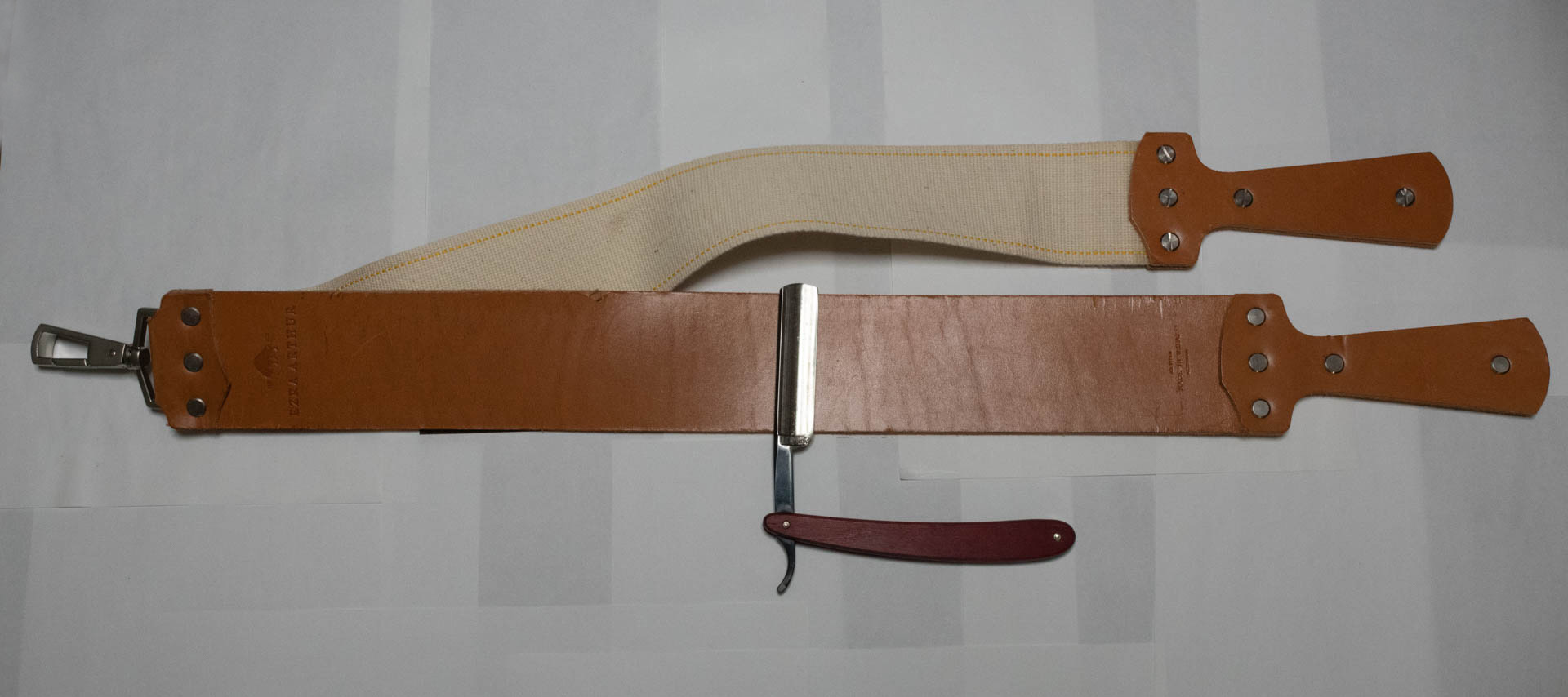
コードバンに近い高級な革の革砥としてばブライドルレザーという牛革があります。これがブライドルレザーによる革砥でアメリカの革製品店で$100しました。(送料別)ブライドルレザーは伝統的に馬具に使われる高級皮革で、ロウを使って革をなめしてあります。なので剃刀をあてた時のすべりはとても良い感じです。ただコードバンに比べるとコードバンは厚さ全部が均一の硬さの革ですが、ブライドルレザー以下他の革は2層になっていて表面部分を用いますが、この厚みが薄く、傷がつきやすいです。なので耐久性という点では明らかにコードバンが優ります。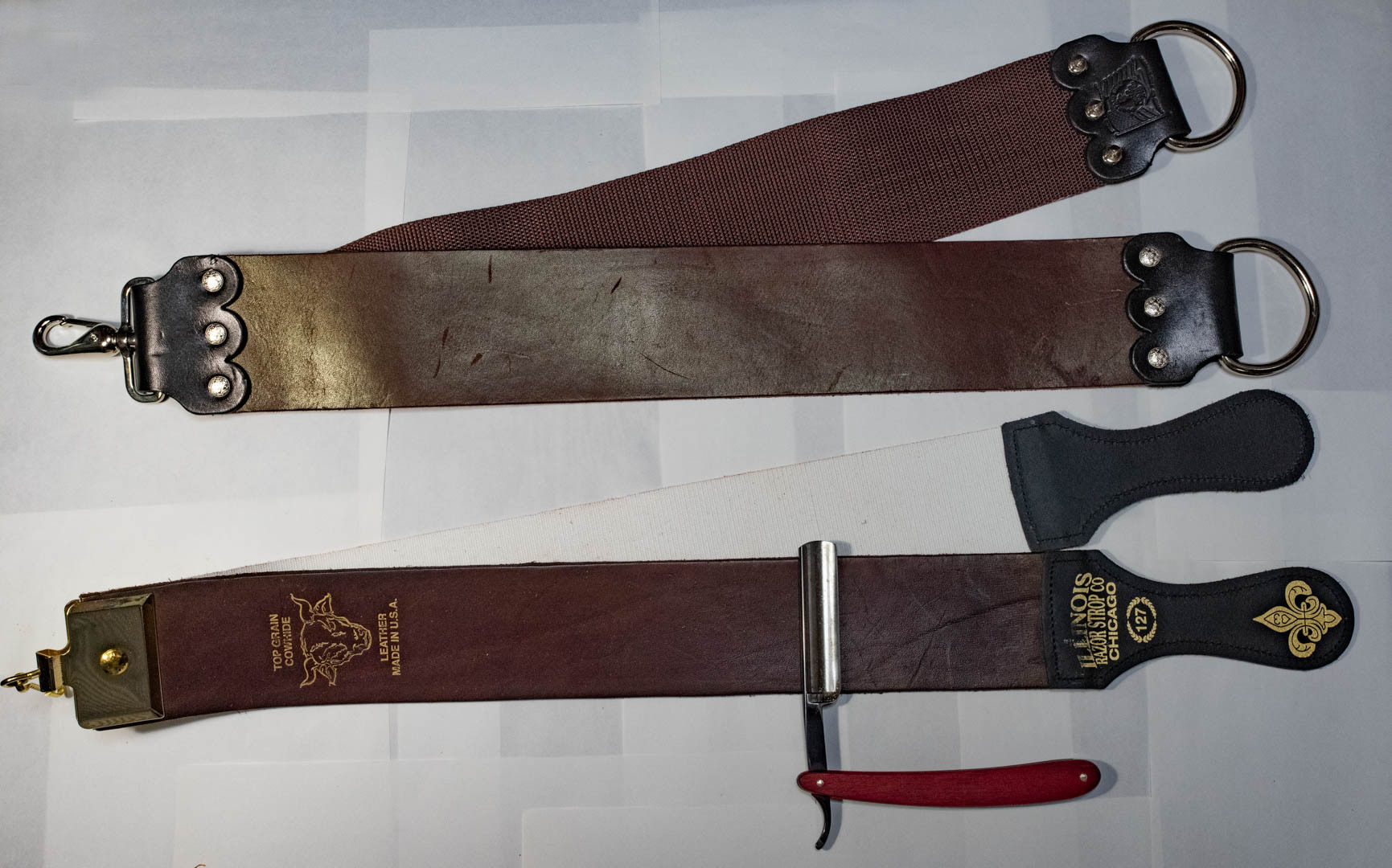
次に良くある、普及品よりちょっと高級というグレードのがこのラティーゴになります。牛革です。この2つのどちらも濃い茶色に着色されているようで、アルコールティッシュで拭くと色が落ちます。ラティーゴはブライドルレザーのようなロウではなく油を使ってなめしています。なのでこちらもすべりはとても良いです。またどちらもそれなりの硬さがあり、革砥としての使用感はなかなか良好です。価格は50~60ドルくらいです。

次が一般的な牛革です。価格的には40~50ドルくらいです。剃刀用の革砥としてはもっとも良く見かけるものです。ただ、表面が比較的ツルツルのものと、ややスウェード的に起毛している感じのと2種類あります。一般的には剃刀用にはツルツルのものが好まれるようです。一番下のは水牛革であり、やや表面粗さが牛革より荒い感じがし、あまり高級感はありません。
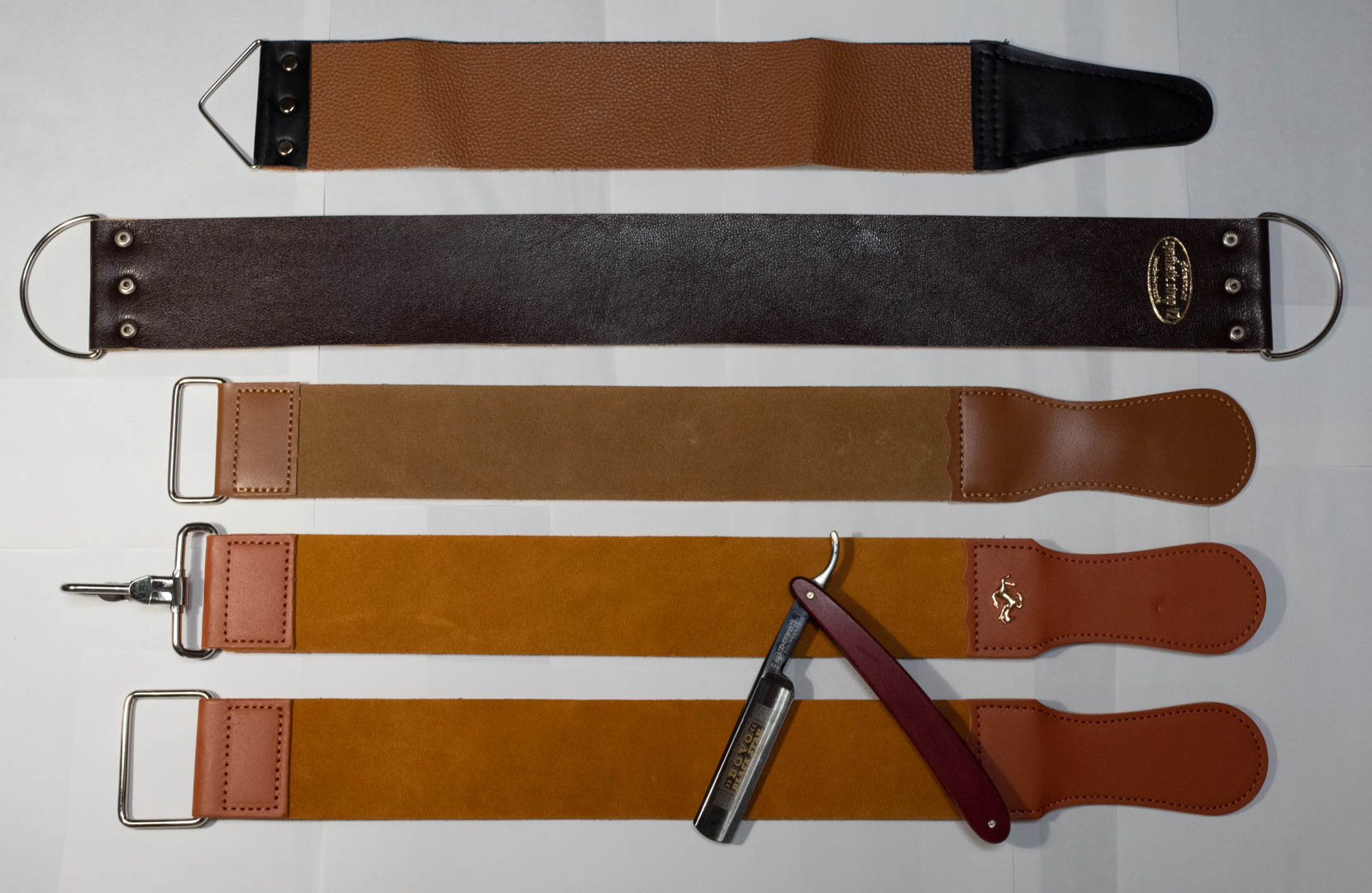
最後が、Amazonで「革砥」で検索した時に出てくる中国製の「革砥」であり、全てが人工皮革と思われます。上の2つは非常に安く300円~500円程度ですが、皮革というより布に近く、腰がほとんどないので、強く引っ張りながらでないと使えません。下の3つは、スウェードタイプで、価格は1500円前後です。私的には「なんちゃって革砥」という感じで積極的に剃刀に使いたいとは思いません。ただ、研磨用コンパウンドを使うベースとして使うのであれば、価格的にはとても安い(コードバンの1/10~1/30レベル)ので試してみる価値はあるかもしれません。(ちなみにコードバンの革砥に研磨用ペーストを塗るのは止めた方がいいと思います。折角の高級皮革を台無しにしてしまいます。)
以上が材料ですが、最後の中国製の人工皮革のを除けば、どの材料も革砥としての機能は十分持っていて、コードバンでなければ駄目、ということはありません。私は普段は5割くらいがコードバンの#6300で、後がブライドルレザーとラティーゴを交代で使っています。
私は、革砥によるストロッピングに過剰な思い入れはありません。単に日常の剃刀のお手入れ道具だとしか思っておりません。私が剃刀を使うのは1日1回であり、その前後で片側20回ぐらいのストロッピングを行います。(ちょっと前までは片道50回ストロッピングしていましたが、切れ味が増すどころかむしろ切れ味が落ちるような気がして、最近は回数を減らしています。)人によっては使った直後のストロッピングは駄目、としている人もいますが、私は特に実害は感じておりません。むしろ使った後は剃刀に付着する油脂分とかを除去する意味でもストロッピングした方がいいと思っています。また天然砥石で研いだ後は、微細なカエリを取るために必ずストロッピングします。
なお、布砥ですが、Web上では布砥には研磨剤が含まれていると書いている人がいます。しかしながら、各種布砥を上記のように入手した限りで現品を見た限り、研磨剤の混入は確認出来ませんでした。私の推定では、布砥はあくまでも理髪店での使用の際の利便性のために付けられたのだと思います。コードバンの革砥は水や石鹸の泡に弱く、剃刀にそれらが付着した状態でストロッピングすると、革砥にダメージを与えます。そのために布砥が付属し、最初にこれを使うことで刃に付いた水分や泡を除去することが布砥の主目的だと思います。なので私的には布砥を使う意味はあまりなく、それほど使うことはありません。
NHK杯戦囲碁 清成哲也9段 対 関航太郎2段
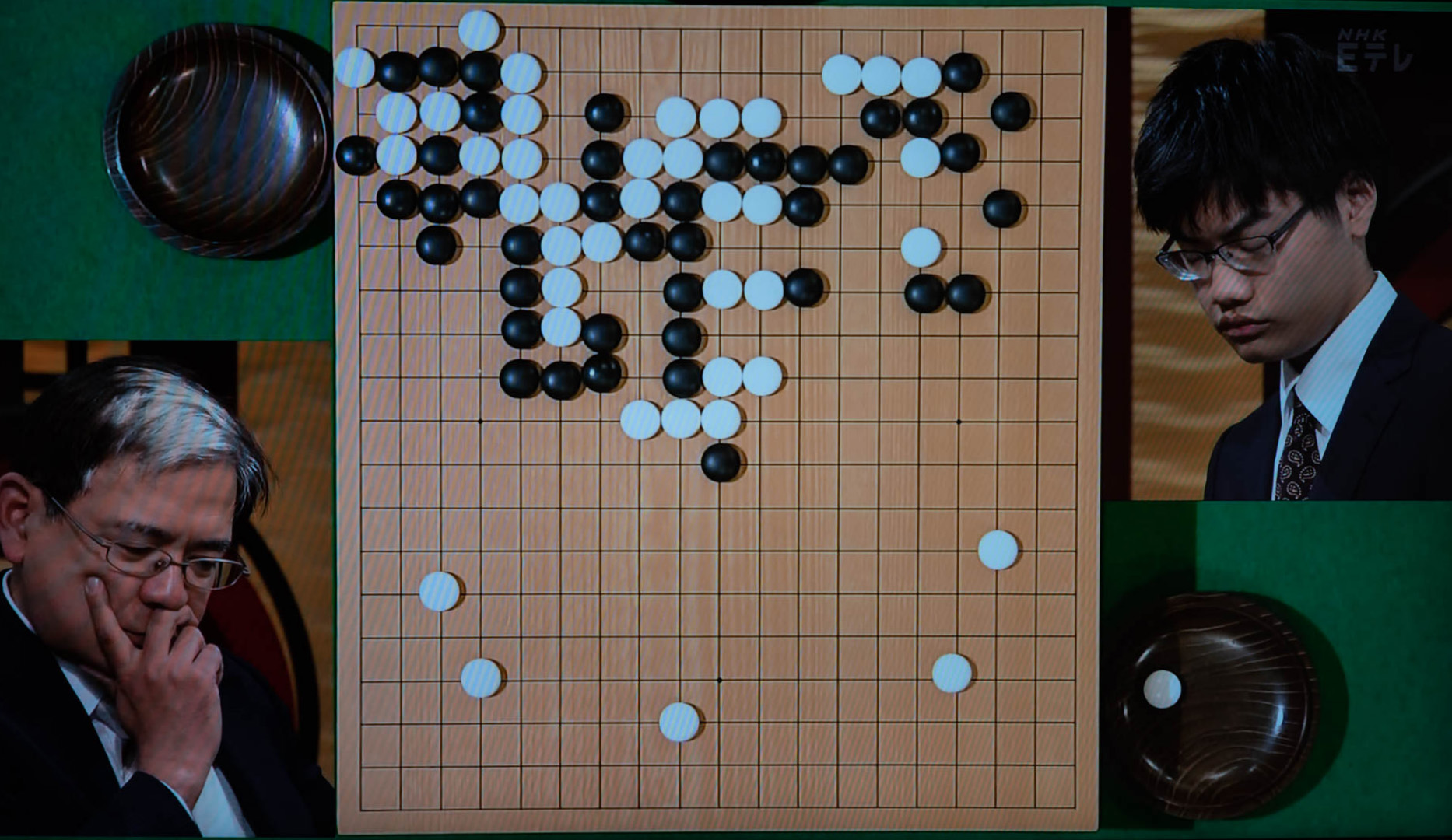 本日のNHK杯戦の囲碁は、黒番が清成哲也9段、白番が関航太郎2段の対戦です。関2段はまだ17歳で、初出場です。清成9段は確か私と同じ歳で57歳だったと思いますので実に40歳の年齢差です。まあ囲碁棋士には90歳を超えて現役の方もいらっしゃいますが、NHK杯戦という選ばれた棋士だけの舞台では比較的珍しいかと。布石は清成9段の初手が目外しで、後で白がかかって来た時に大斜ガケより一路広い大大ケイマガケを打ったのがちょっと珍しかったです。白がコスんで頭を出し黒が右辺を受けた後、白が黒の左上隅の大ゲイマシマリに付けていったのが今風でした。ここの折衝で黒は左上隅にかなりの実利を稼ぎ、白は代償に上辺で厚みを築き上辺を目一杯開きました。この上辺の折衝で黒が白の厚みの断点を覗いていったのに白が反発し、結局攻め合いになり、白が黒の数子を取り込みました。黒は取られた石を活用し上辺から利かすかと思いましたが、中央から利かしました。この結果黒は中央と左辺がつながり厚くなりましたが、白も上辺と右上隅がつながりました。その後黒は中央右の石の安定を図るため白2子を切り離して取り込みましたが、黒が何手かかけている間に白は下辺を大きく模様にしました。しかし黒は中央に眼の無い白の一団がありこれを攻めることで下辺は荒らせるとのことで、まず右下隅の三々に入りました。黒は上辺で劫立てが多く効には負けないとのことで下辺をハネた後効は歓迎とのことでカケツぎました。白は効には行けず妥協した手を打ちました。黒は白を切っている石を動き出し、この辺りは黒が順調だったと思います。この碁の焦点はその後の下辺の折衝で、下辺中央に開いた白に黒が付けていった時です。普通は白は伸びるくらいですが、白はハネ返しました。その後黒は今度は左下隅に付けていき、黒が上手くさばいたかと思いましたが、下辺で黒が白1子を当てた時、継ぎを打たずに中央の白に連絡したのが白の勝負手でした。その後色々ありましたが黒が下辺の黒を攻められた時、右辺を重視して下辺を捨ててしまったのが不可解でした。左下隅もすべて白地になっていたため、下辺と左下隅で90目くらいあり、多少右辺を地にしてもこれでは黒は勝てません。結局白の中押し勝ちで、関2段は初勝利を挙げました。
大根の桂剥きによるケン作り
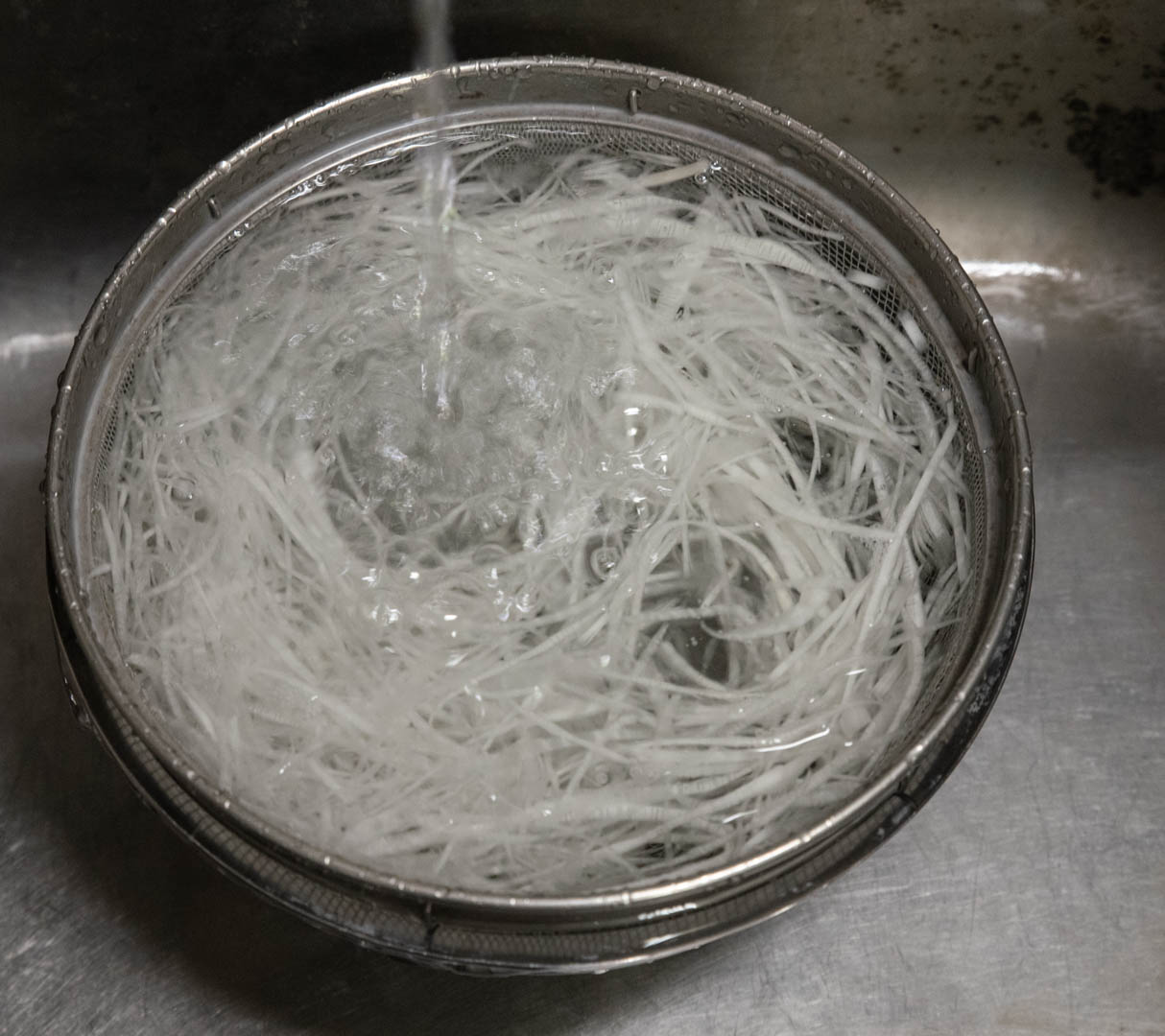 毎週薄刃包丁で練習している大根の桂剥きによるケン作り、かなり細く切れるようになりました。YouTubeのビデオで観たコツに従って包丁を上下に動かしながら切り、また最終的に切る角度をこれまでと90度変えて、大根の長さ方向に対し垂直に切ったらそれらしくなりました。ただ大根をきちんとした円柱型に保ちながら剥いていくのが難しいですね。円柱型を保たないと上下どちらかがどうしても厚く剝けてしまいます。